Namibia is not only a land of vast deserts and dramatic wildlife encounters — it is home to one of the world’s most successful community-led conservation movements. Across millions of hectares of communal land, local communities manage wildlife, protect ecosystems, and benefit directly from tourism and sustainable use.
For travellers and photographers, conservancies are more than destinations. They are living proof that conservation works best when people are part of the story.
A communal conservancy is a legally registered, community-run organization that manages wildlife and natural resources on communal land. Through Namibia’s progressive conservation legislation introduced in the 1990s, rural communities gained rights to manage and benefit from wildlife — including tourism partnerships and regulated hunting.
Instead of wildlife being owned solely by the state, communities became custodians. Wildlife became an asset rather than a threat.
This shift transformed conservation from a top-down model into a grassroots success story.
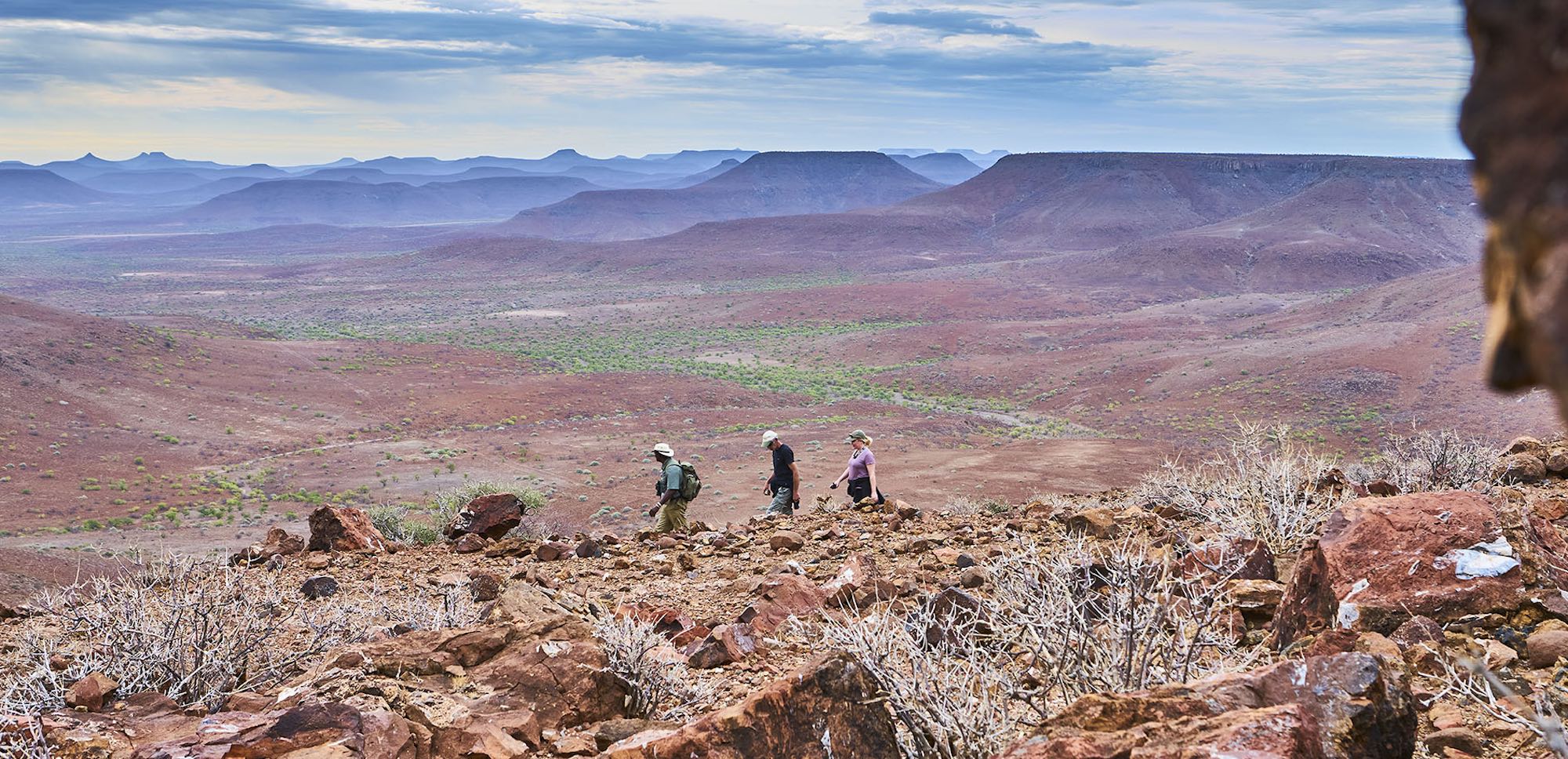
Image Description:
A sweeping view of a communal conservancy landscape in northwestern Namibia, where rugged mountains meet open plains. Local Himba communities live alongside desert-adapted elephants and other wildlife, while community game guards patrol vast areas to monitor and protect wildlife.
In regions like Kunene, Damaraland, and the Zambezi (Caprivi) Strip, conservancies stretch across remote, wild terrain. Here, desert-adapted elephants roam seasonal riverbeds, lions track through arid valleys, and communities continue traditional livelihoods.
Game guards — employed by conservancies themselves — patrol these lands, monitor wildlife movements, and respond to human-wildlife conflict. Their work is funded largely through tourism and conservation partnerships.
Conservancies generate income through:
Photographic tourism lodges
Joint-venture safari camps
Sustainable trophy hunting quotas (where appropriate)
Craft sales and cultural tourism
Indigenous plant harvesting
This revenue flows directly into rural economies — funding salaries, school support, funeral assistance, infrastructure projects, and household dividends.
When tourism thrives, anti-poaching patrols increase. When wildlife populations grow, communities benefit. It becomes a cycle of protection and reward.
For photographers visiting Namibia, every booking within a conservancy contributes to this system.
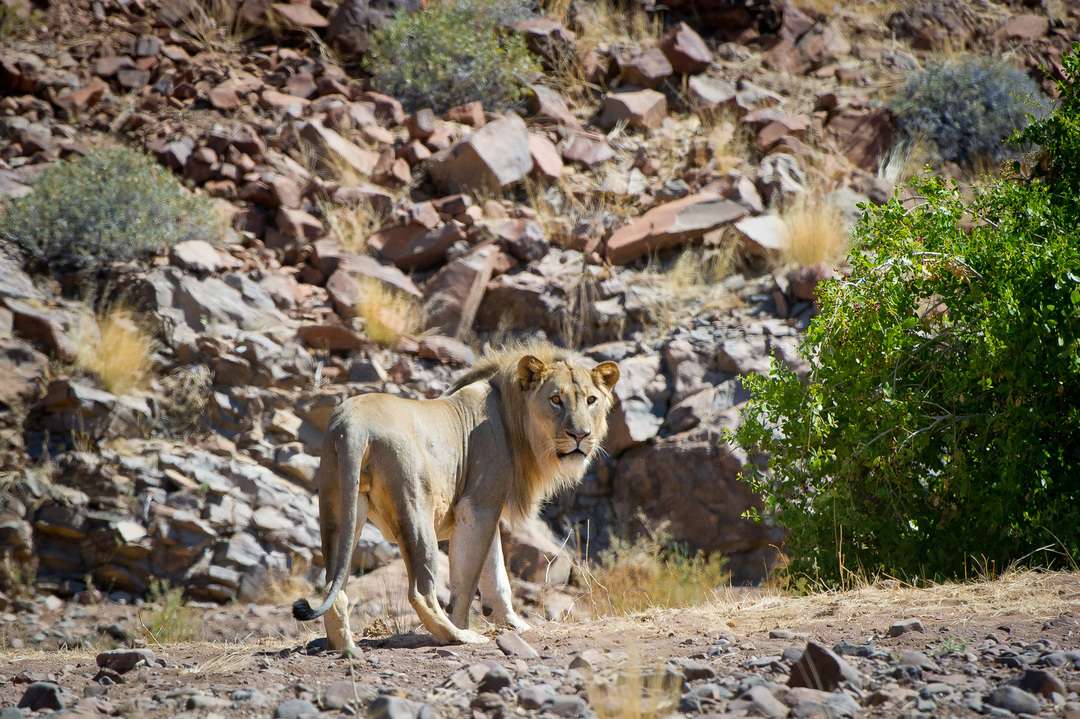
Image Description:
lions in Damaraland, and dramatic wildlife scenes at sunset waterholes — represent species that have rebounded in conservancy-managed areas.
In many conservancy areas, wildlife numbers have stabilized or increased since the 1990s. Species such as oryx, springbok, elephant, and even black rhino have benefited from community protection and monitoring.
This recovery is not accidental. It is built on:
Local stewardship
Funded anti-poaching patrols
Sustainable quotas
Community reporting systems
When wildlife becomes economically valuable through tourism, communities have strong incentives to protect it.
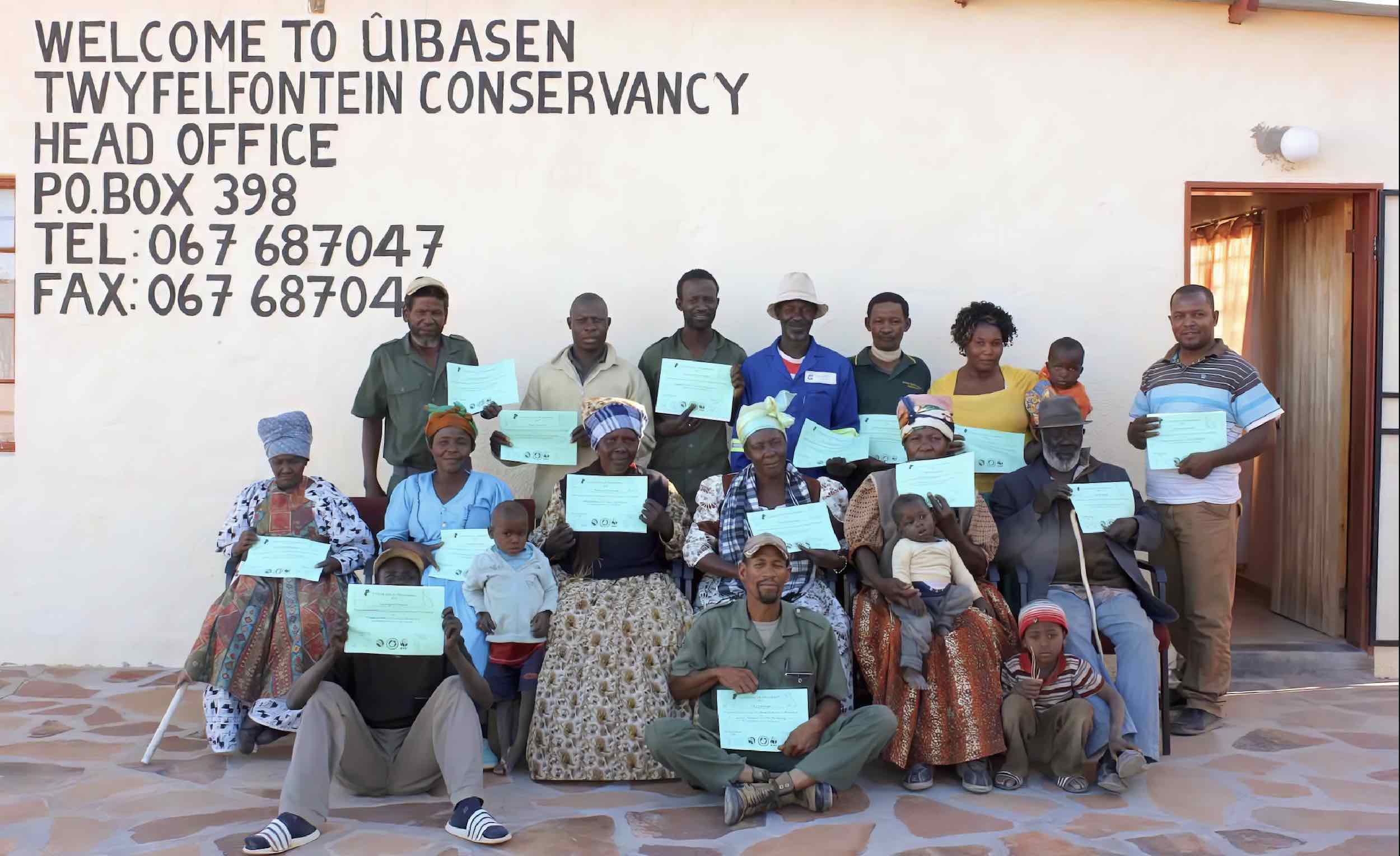
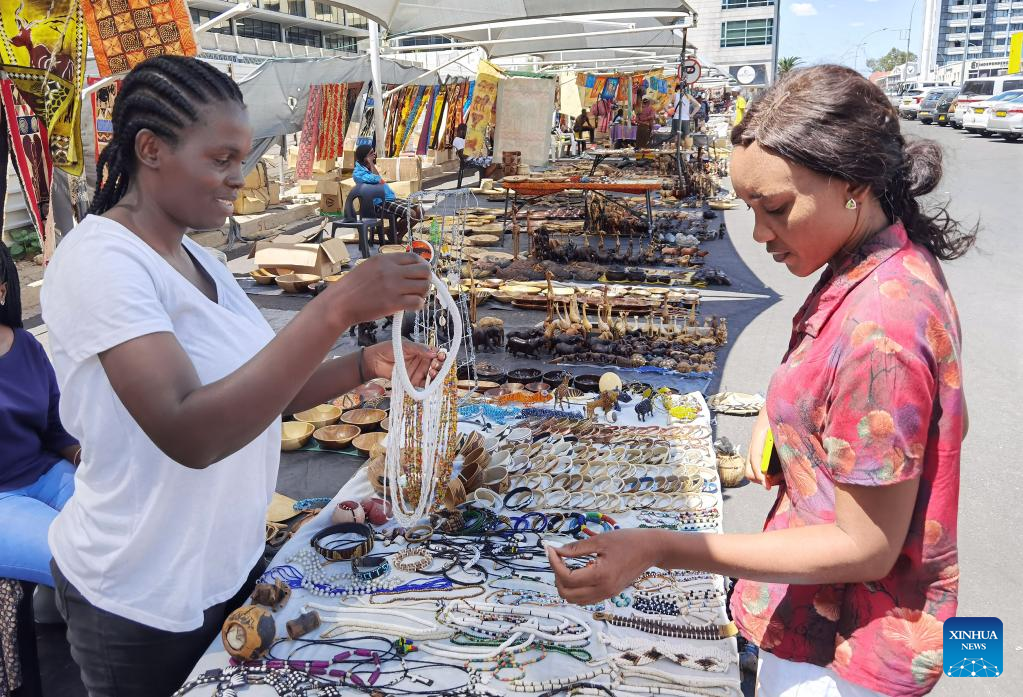
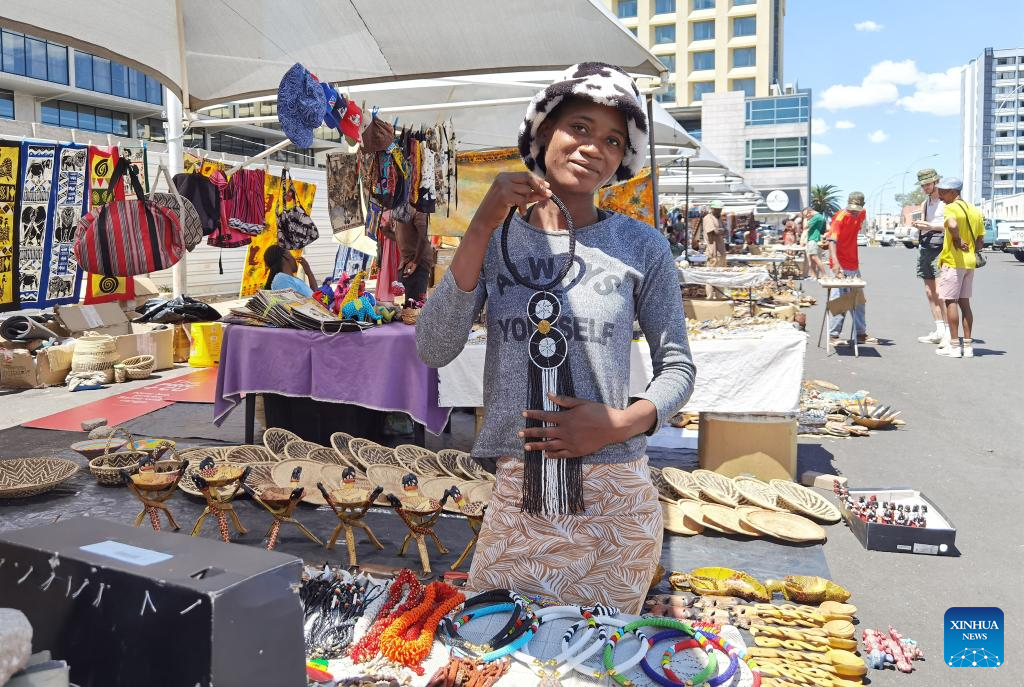
Image Description:
Community members attending meetings, Himba portraits, women selling handmade crafts, and rural schoolchildren — illustrating how conservancies support livelihoods, cultural identity, and social development.
Conservancies are not just wildlife zones — they are governance platforms. Members elect committees, approve budgets, and decide how income is shared.
Benefits often include:
Employment in lodges and tourism camps
Training in hospitality and conservation
Scholarships for students
Support for vulnerable households
Community development projects
For Indigenous communities, conservancies provide a way to protect cultural identity while adapting to modern economic realities.
The conservancy model is powerful — but not perfect.
Communities must balance:
Livestock grazing with wildlife movement
Human-wildlife conflict (especially lions and elephants)
Drought and climate change
Tourism market volatility
The COVID-19 pandemic revealed how dependent many conservancies were on international tourism. With travel halted, revenues collapsed, anti-poaching funding decreased, and financial stress increased.
This highlighted the importance of diversification and long-term sustainability funds.
Image Description:
Photographers capturing dramatic Namibian landscapes, safari vehicles silhouetted at sunset, and wildlife framed against desert skies — moments made possible by preserved conservancy lands.
For photographers, conservancies offer:
Less crowded wildlife encounters
Intimate access to remote landscapes
Authentic cultural experiences
Expansive, untouched scenery
More importantly, your presence contributes to protection. When you stay in conservancy lodges or book guided experiences within these areas, you directly support patrols, community projects, and conservation salaries.
Your images carry more meaning when they are connected to positive impact.
Namibia’s communal conservancy system is widely recognized as one of the most successful examples of Community-Based Natural Resource Management (CBNRM) globally.
It demonstrates that:
Conservation and development are not opposites
Local rights strengthen biodiversity protection
Tourism can be a conservation tool
Rural communities are powerful environmental custodians
In a world facing biodiversity loss and climate uncertainty, Namibia offers something rare — a working example of conservation driven by communities, not imposed upon them.
If you travel within conservancies:
Choose operators with genuine community partnerships
Respect cultural sensitivities
Pay conservation and park fees willingly
Support local crafts and guides
Travel with minimal environmental impact
Conservation is not only about wildlife. It is about relationships — between land, animals, and people.
The future will require:
Strong governance
Youth involvement in conservation careers
Technology for wildlife monitoring
Climate adaptation strategies
Sustainable funding mechanisms
But the foundation is strong. The model has already proven resilient through droughts, economic downturns, and global crises.
Namibia’s conservancies show that conservation is most powerful when it belongs to the people who live with it every day.
When you stand in a remote valley in Damaraland, watching elephants move through golden light, or photograph lions in open conservancy land, you are witnessing more than wildlife.
You are witnessing a system built on trust, responsibility, and shared benefit.
Namibia’s conservancies are not just protecting animals.
They are protecting possibility.